Comprehensive Evaluation & Personalized Care for Dysautonomia, POTS, and Autonomic Nervous System Disorders near Southwest Ranches, FL
If you’re struggling with dizziness, lightheadedness, rapid heart rate, fainting, fatigue, brain fog, or exercise intolerance, you may be dealing with dysautonomia.
At The Neurologic Wellness Institute, we provide comprehensive evaluations and personalized treatment plans designed to identify the underlying causes of autonomic dysfunction and help patients near Southwest Ranches, FL, regain function and quality of life.
Schedule Your Evaluation Today
 Subscribe to our channel


Request an appointment
Dysautonomia: contact us
What Is Dysautonomia?
Dysautonomia is an umbrella term used to describe disorders of the autonomic nervous system—the system responsible for regulating heart rate, blood pressure, digestion, temperature regulation, and many other automatic bodily functions.
Symptoms may include:
Dizziness or lightheadedness
Rapid heart rate or palpitations
Fainting or near-fainting episodes
Chronic fatigue
Brain fog and difficulty concentrating
Exercise intolerance
Headaches or migraines
Digestive issues
Temperature sensitivity
Anxiety-like symptoms triggered by autonomic dysfunction
Many patients have been told their testing is “normal” despite significant symptoms that impact daily life.

Why Choose The Neurologic Wellness Institute?

Understanding the Root Cause of Dysautonomia
While dysautonomia is often described as a disorder of the autonomic nervous system, many cases involve a functional problem within the central autonomic nervous system—the network of brain regions responsible for regulating and coordinating autonomic function throughout the body.
When these control centers are not functioning properly, the brain may lose its ability to accurately regulate heart rate, blood pressure, breathing, digestion, temperature regulation, and other automatic bodily functions.
This can lead to many of the classic symptoms associated with dysautonomia, including dizziness, rapid heart rate, fatigue, brain fog, exercise intolerance, and lightheadedness.

Comprehensive Testing
At The Neurologic Wellness Institute, our goal is not simply to identify that autonomic dysfunction exists, but to better understand why it is occurring.
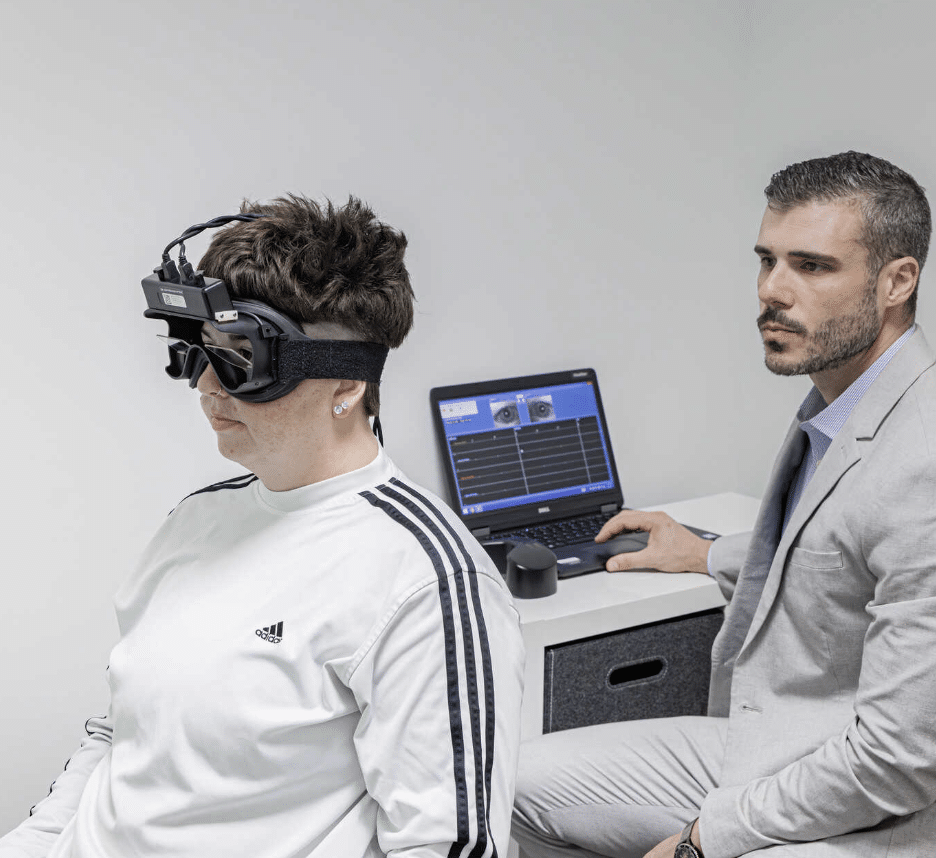
We utilize a comprehensive evaluation process that combines multiple forms of neurological, autonomic, vestibular, balance, visual, cognitive, and physiological testing to help triangulate where nervous system function may be impaired.
By examining how different systems interact and communicate, we can often identify patterns that may contribute to autonomic dysregulation and help guide treatment decisions.
Based on the findings from your evaluation, we develop a personalized treatment program designed to address your specific neurological and physiological deficits.

Personalized Treatment Plans
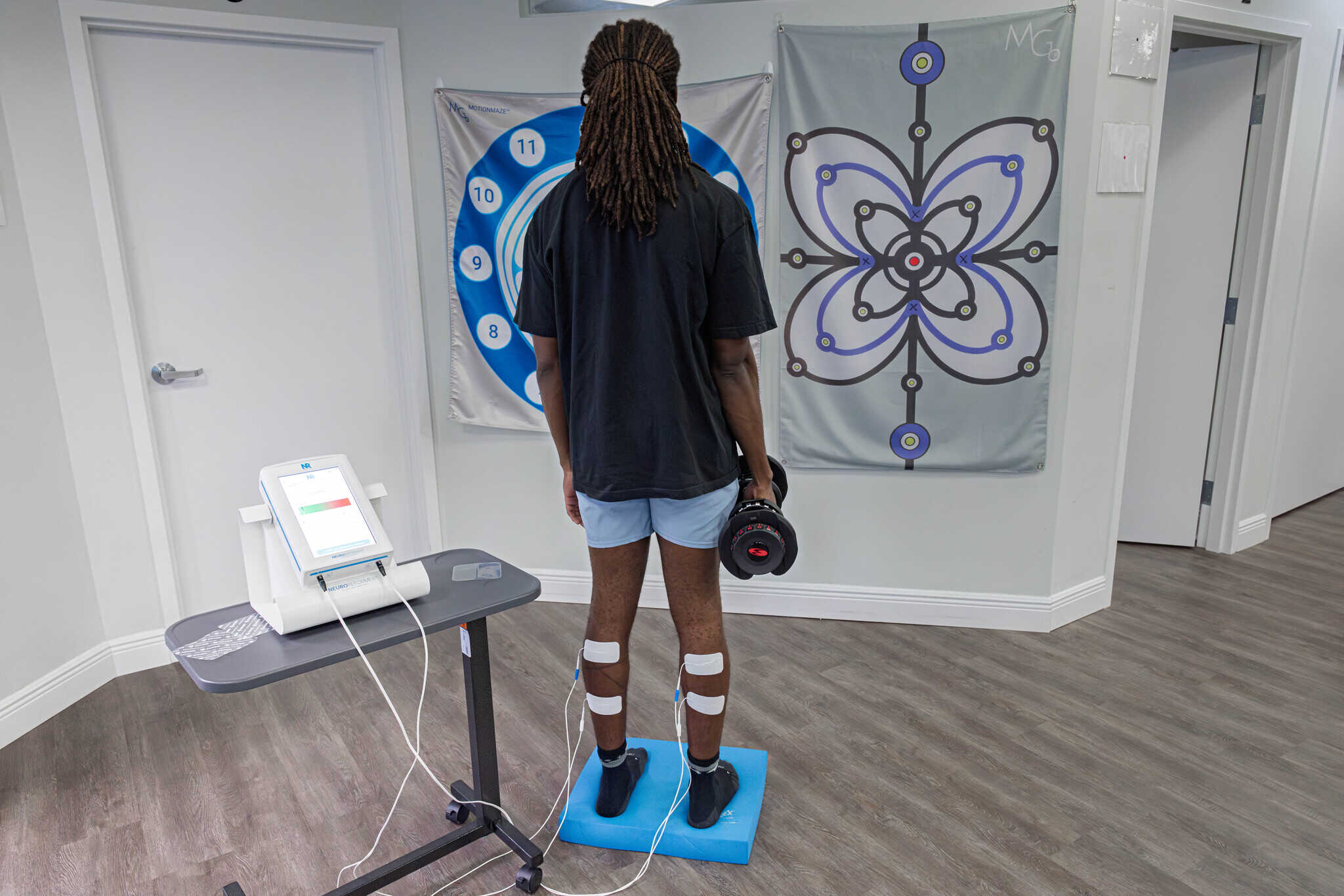
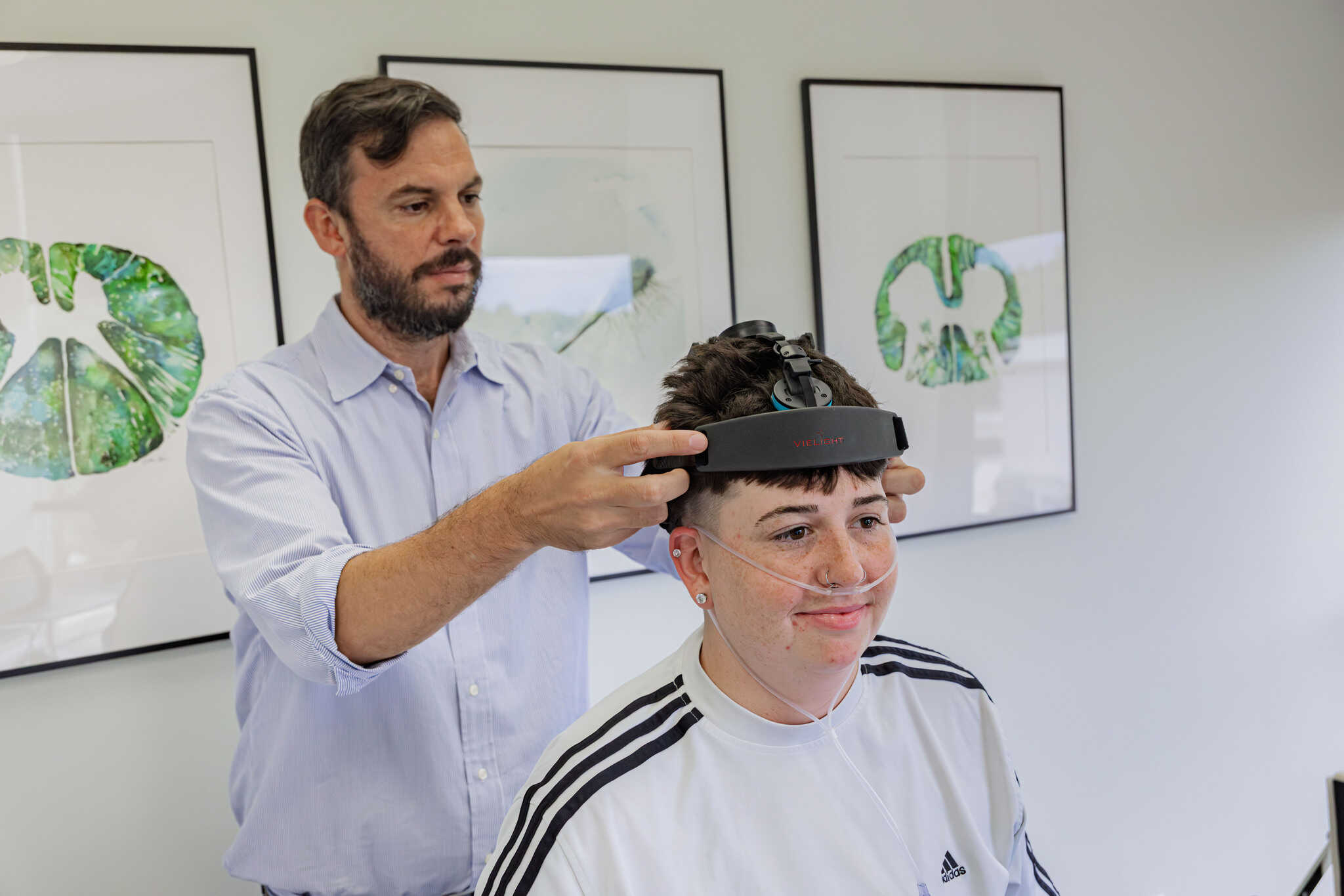
Many patients describe our approach as “physical therapy for the brain” because treatment often involves targeted neurological rehabilitation combined with individualized lifestyle, exercise, nutritional, and autonomic support strategies.
Rather than applying a one-size-fits-all approach, our goal is to help improve nervous system function and restore the brain’s ability to regulate the body’s automatic processes more effectively.
No two patients experience dysautonomia the same way. Treatment recommendations are tailored to your unique findings and goals.

Experienced Clinical Team
Our multidisciplinary team has extensive experience evaluating complex neurological and autonomic conditions.

Nationwide Reputation
Patients travel from across the United States and internationally to seek care at Neurologic Wellness Institute.
Conditions We Commonly Evaluate
Postural Orthostatic Tachycardia Syndrome (POTS)
Neurocardiogenic Syncope
Orthostatic Hypotension
Long COVID-Related Dysautonomia
Autonomic Dysfunction Following Concussion
Chronic Fatigue Syndrome
Vestibular Disorders with Autonomic Involvement
Migraine-Associated Dysautonomia
Could Your Symptoms Be Dysautonomia?
You may benefit from an evaluation if you experience:
Dizziness when standing
Rapid heart rate
Chronic fatigue
Brain fog
Exercise intolerance
Fainting or near-fainting episodes
Symptoms that worsen after illness or concussion
Frequently Asked Questions
Symptoms that worsen after illness or concussion
Dysautonomia can develop following viral illness, concussion, autoimmune conditions, chronic stress, connective tissue disorders, or other neurological conditions and genetic factors.
Do you treat POTS?
Yes. We commonly evaluate and manage patients with POTS and related forms of autonomic dysfunction.
How is dysautonomia diagnosed?
Diagnosis typically involves a comprehensive history, physical examination, and specialized testing to evaluate autonomic nervous system function.
Do I need a referral?
A referral is not required.
Take the First Step Toward Answers
If you’ve been struggling with unexplained dizziness, fatigue, brain fog, or symptoms of autonomic dysfunction, our team is here to help.