
Postural Orthostatic Tachycardia Syndrome (POTS) Treatment

Condition: POTS
NeuroRecovery Program
POTS is a form of dysautonomia that negatively impacts the part of the brain responsible for unconscious bodily functions such as heart rate, blood pressure, breathing, digestion, pain control, sweating, and temperature control.
POTS Treatment Specialists at The Neurologic Wellness Institute
Postural Orthostatic Tachycardia Syndrome, commonly known as POTS, is a complex form of dysautonomia that affects how the body regulates blood flow and heart rate when changing positions, particularly from lying down to standing. POTS disrupts the autonomic nervous system, which is responsible for automatic bodily functions such as circulation, breathing, digestion, and temperature control. As a result, individuals with POTS often experience a range of symptoms that can significantly interfere with daily life, physical functioning, and overall well-being.
While POTS is increasingly recognized, it remains underdiagnosed and frequently misunderstood. Many individuals spend months or even years searching for answers before receiving an accurate diagnosis. At The Neurologic Wellness Institute, we take a comprehensive, neurologically focused approach to understanding POTS, identifying underlying dysfunctions, and guiding patients toward meaningful recovery.
What Is POTS?
POTS is characterized by an abnormal increase in heart rate upon standing without a corresponding drop in blood pressure. This can lead to reduced blood flow to the brain and other vital organs, triggering symptoms such as dizziness, lightheadedness, fatigue, nausea, and cognitive difficulties. While the exact cause of POTS varies from person to person, it is often associated with prior illness, head injury, autoimmune conditions, or genetic predisposition.
POTS does not present the same way in every patient. Some individuals primarily experience cardiovascular symptoms, while others struggle more with neurological, digestive, or immune-related challenges. Because of this variability, effective care requires a personalized, whole-body approach rather than a one-size-fits-all treatment plan.
Common Symptoms of POTS
People with POTS may experience a combination of symptoms that fluctuate in severity. These can include rapid heartbeat when standing, dizziness or fainting, chronic fatigue, brain fog, headaches, exercise intolerance, chest discomfort, shortness of breath, gastrointestinal issues, and sleep disturbances. Many patients also report heightened anxiety, which is often a response to their body’s unpredictable autonomic function rather than a primary psychological condition.
Comprehensive POTS Evaluation at The Neurologic Wellness Institute
Accurate diagnosis is the foundation of effective treatment. Our POTS evaluation includes detailed autonomic testing, functional neurological assessments, and continuous monitoring of heart rate and blood pressure in different positions. These objective measures allow our clinicians to identify specific patterns of dysfunction and develop a targeted treatment strategy.
POTS Treatment and Symptom Management
Our approach to POTS focuses on restoring balance within the autonomic nervous system rather than simply managing symptoms. Treatment plans may include neurological rehabilitation, targeted physical therapy, vestibular and sensorimotor exercises, neurofeedback, non-invasive neuromodulation techniques, and lifestyle modifications. We also provide individualized nutritional guidance, hydration strategies, and gradual conditioning programs to support long-term recovery.
Because POTS often overlaps with other neurological or immune-related conditions, we take a holistic view of each patient’s health. Regular reassessments ensure that care evolves as neurological function improves.
Living Well With POTS
Recovery from POTS is a process that requires patience, education, and consistency. We empower patients with a deeper understanding of their condition so they can make informed decisions about their health and daily routines. Our goal is not just symptom reduction but meaningful improvements in function, independence, and quality of life.
If you are struggling with POTS, you do not have to navigate it alone. Our team is dedicated to providing specialized, compassionate care tailored to your unique neurological needs. Reach out for more information on becoming a patient at The Neurologic Wellness Institute nearest you.
POTS FAQ
What causes POTS?
POTS can develop after illness, concussion, surgery, or due to genetic or immune-related factors, though in many cases the exact cause remains unknown.
How is POTS diagnosed?
Diagnosis typically involves autonomic testing, heart rate and blood pressure monitoring, and clinical evaluation of symptoms during postural changes.
Can POTS be treated?
While there is no single cure, many patients experience significant improvement through neurological rehabilitation, lifestyle modifications, and targeted therapies.
Is exercise safe with POTS?
Yes, but it should be introduced gradually and in a structured, supervised way based on your individual tolerance and neurological function.
Hear From Our Patients
Across all NWI locations, clients often report life-changing improvements in both symptoms and overall well-being. While individual results vary, our focus on personalized neurological care helps clients better understand their condition and actively participate in their recovery.
These testimonials reflect our core mission: to provide compassionate, customized care that empowers clients and delivers measurable outcomes.
To watch more testimonials, click here.
Personalized Treatment for Autonomic Disorders
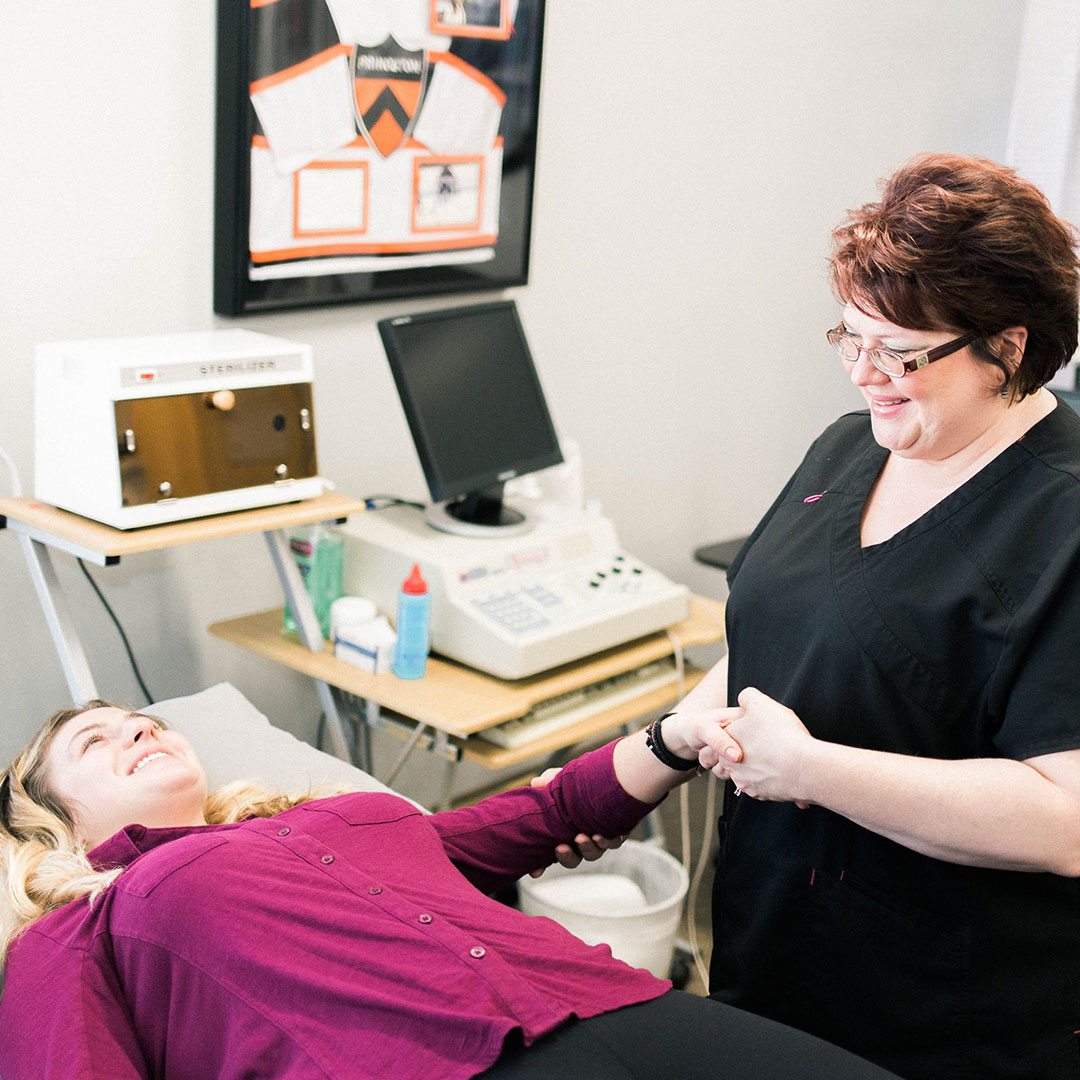
At The Neurologic Wellness Institute, every client begins with a detailed evaluation that helps us understand their unique neurological profile. This assessment may include functional neurological assessment, advanced autonomic testing, QEEG brain map, eye movement analysis, balance and coordination screening, and a cognitive evaluation.
From there, we create a care plan tailored to the individual. Our programs often incorporate therapies such as autonomic nervous system retraining, vagus nerve stimulation, hyperbaric oxygen therapy, red light therapy, molecular hydrogen, targeted physical exercises, specialized vestibular rehabilitation, eye-head coordination exercises, sensory-motor retraining, and nutritional and supplement advice. All treatment options are non-invasive, and we do not rely on medications or surgical interventions. Instead, we work with the brain’s natural capacity for neuroplasticity, helping to restore function and reduce symptoms over time.
Whether you’ve been diagnosed with POTS, dysautonomia, or are still exploring the cause of your symptoms, we provide an evidence-based, individualized path forward.