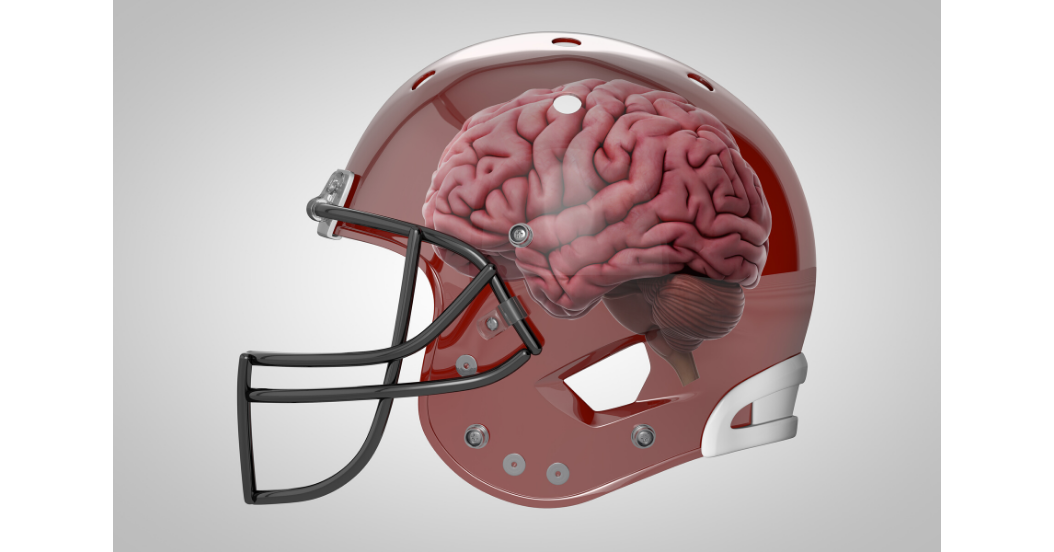
During the past 5–10 years, there has been a growing interest in sport-related concussion due to recent deaths in high-performance athletes. Globally, it is estimated that 64–74 million individuals experience traumatic brain injury annually.
Recently there has been a focus on the management of the athlete post-concussion, including when it is safe for the athlete to return-to-learn and return-to-play so that the likelihood of re-injury is decreased. Traditionally, “prescribed rest” has been used to ensure the safety of the athlete. Although recent consensus statements recommend that concussed athletes must participate in a graduated, medically supervised exercise protocol before returning-to-play.
In fact, the evidence supports that mild-moderate intensity physical exercise (110-170 bpm) is beneficial for the recovery of post-concussion syndrome, whereas prolonged rest may be detrimental during to recovery during the acute phase of post-concussion syndrome.
Less information is available on whether aerobic exercise can be performed immediately post-injury, i.e., with the first 72 h. However, mounting research is recommending that mild-to-moderate aerobic exercise can be performed safely within the days and weeks following, although most studies initiate exercise as a rehabilitation strategy after ~21 days post-injury.
New research, however, has shown that mild-to-intense incremental exercise can begin to be used for concussion testing starting two days after the concussion diagnosis. By monitoring physiological measurements (such as heart rate, blood pressure, ect.) during exercise, skilled concussion specialists can tailor an aerobic exercise program specific to the patient’s personal needs and abilities.
Most recently, exertional exercise testing protocols, such as the Buffalo Concussion Treadmill and Bike Test have proven to be safe and efficacious in evaluating the athletes post-concussion. These laboratory testing protocols have been designed with the intent to differentiate the type of concussion injury (i.e., physiologic, vestibulo-occular, cervicogenic), and to discern the physiological mechanisms (cerebral autoregulation, cerebrovascular reactivity, neurovascular coupling).
For more information on the type of conditions, our clinicians help with, schedule a consult with one of our patient care coordinators.
Prefrontal cortex oxygenation changes during aerobic exercise in elite athletes experiencing sport-related concussion. Neary et al. Frontiers Human Neuroscience. 2020.